
kiel konservi energion kontraŭ covid-19


UC Davis Health está vacunando a personas de 16 años y mayores

UC Davis Health está ofreciendo vacunas contra el COVID-19 a personas de 16 años y mayores. Visite el sitio MyTurn.ca.gov de California para hacer una cita.

Obtenga información sobre síntomas, pruebas de detección y qué hacer si se enferma o pertenece a un grupo de riesgo. Reciba consejos para su vida cotidiana, por ejemplo, para salir, hacer mandados y sobrellevar el estrés. Lea más en la página del CDC.

Noticias de UC Davis Health sobre el COVID-19


health care provider vaccinating a patient

Seguridad, reacciones, inmunidad, embarazo y más: Respuestas sobre la vacuna contra el COVID-19

Cerca de 30 millones de personas han recibido la vacuna contra el COVID-19 –con muy pocas reacciones serias. Expertos en enfermedades infecciosas responden a preguntas sobre la seguridad y eficacia de la vacuna, qué reacciones esperar y mucho más.


health care workers at post-covid-19 clinic

Nueva Clínica Post-COVID-19 ayuda a pacientes con necesidades a largo plazo 

UC Davis Health es el único de un puñado de sistemas de salud en EE.UU. en lanzar una Clínica Post-COVID-19 para atender a pacientes de COVID cuyos síntomas persisten, a veces por meses, sin una explicación clara u opción de tratamiento.
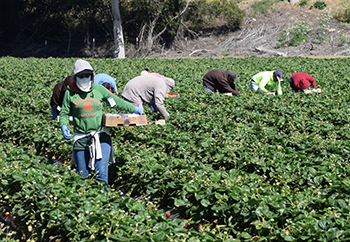

people working in a field

UC Davis ofrecerá pruebas gratuitas de COVID-19 a los trabajadores agrícolas del Valle Central

Cuatro centros de investigación de UC Davis trabajarán con 10 organizaciones comunitarias para ofrecer pruebas gratuitas de COVID-19 a trabajadores agrícolas del Valle Central bajo una nueva subvención federal.

Comments

Popular posts from this blog

How long will the Corona last

  How the Pandemic Will End The U.S. may end up with the worst COVID-19 outbreak in the industrialized world. This is how it’s going to play out. Joan Wong Story by  Ed Yong MARCH 25, 2020 HEALTH Like  ​The Atlantic ? Subscribe to  ​ The Atlantic Daily​ , our free weekday email newsletter. Editor’s Note:   The Atlantic  is making vital coverage of the coronavirus available to all readers. Find the collection  here . T hree months ago , no one knew that SARS-CoV-2 existed. Now the virus has spread to almost every country, infecting at least 446,000 people whom we know about, and many more whom we do not. It has crashed economies and broken health-care systems, filled hospitals and emptied public spaces. It has separated people from their workplaces and their friends. It has disrupted modern society on a scale that most living people have never witnessed. Soon, most everyone in the United States will know someone who has been infected. Like World War II ...

How to motivate to get success

  there’s one thing I’ve learned from   being self-employed as a writer , it’s that motivation is a complex and fickle beast. Some days, I’m in a groove—I can crank out articles left and right, only taking a quick break to refill my coffee or eat lunch. Other days, I have to force myself not to surf Reddit and run unimportant errands. When motivation has to be intrinsic (meaning there’s no boss breathing down your neck to get things done), it can be harder to come by. Below, you’ll find a series of research-backed tips and tricks that entrepreneurs swear by when they’re stuck:1-To make strategy for success This is my go-to strategy. Over the past few years, I’ve identified the times when I’m most productive: 7:30 a.m. to 2 p.m., Monday through Thursday. I make sure to schedule the work that requires the most focus during these windows. I’ll never leave an article that’s due on a Monday morning, for example, for Friday afternoon because I know it’s unlikely I’ll muster the ment...

Destructores contaminantes del mundo

 los contaminantes más peligrosos del mundo  / 26 de julio de 2017  Veintiocho productos químicos que causan problemas de salud, incluidos el cáncer y los trastornos reproductivos, y en ocasiones la muerte, están prohibidos o restringidos por el Convenio de Estocolmo, uno de los acuerdos internacionales más críticos administrados por ONU Medio Ambiente.  Conocidos como contaminantes orgánicos persistentes, o COP, la industria y la agricultura han liberado estas toxinas durante décadas y se han extendido por todas partes, incluso hasta el Ártico.  Permanecen intactos durante años en el medio ambiente y se “bioacumulan” en organismos que se encuentran más arriba en la red alimentaria, incluidos los peces grandes y los depredadores.  Envenenan tanto a las personas como a la vida silvestre.  Sus efectos también incluyen alergias e hipersensibilidad, daño al sistema nervioso y alteración del sistema inmunológico.  Algunos COP se consideran disruptores ...